
How Manual MVR Checks Miss Fleet Risk Signals
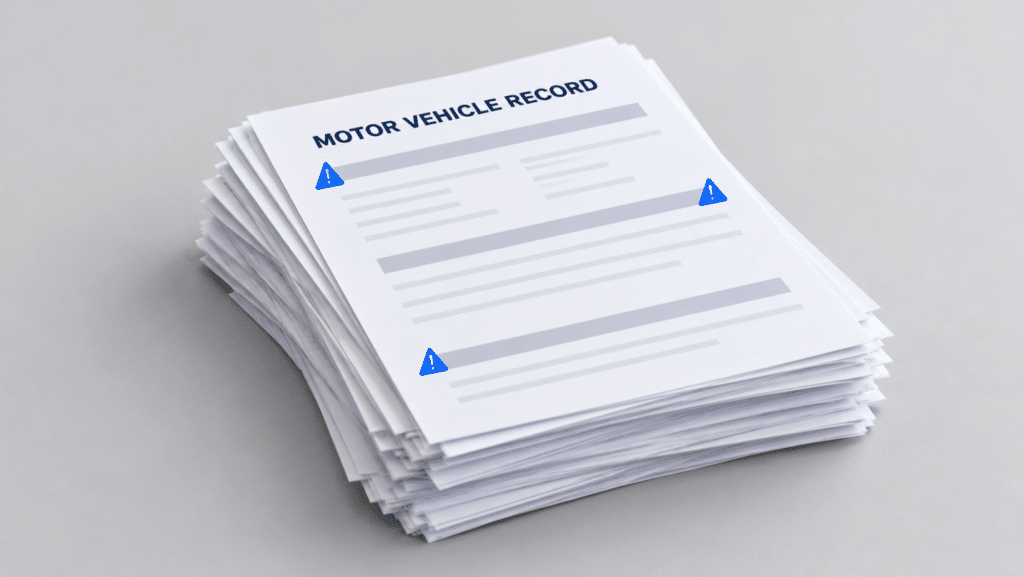
If your fleet safety program relies on manual motor vehicle record (MVR) checks, your visibility depends on how often your team requests and reviews them. Each report captures a driver’s record at a single point in time. Changes such as new violations, license downgrades, and suspensions may go unnoticed until the next check, delaying your team’s response.
This post explains where manual MVR checks leave gaps and how to improve visibility without overhauling your entire safety program.
Repetitive tasks take time away from safety
Manual MVR checks require staff time and coordination at every step. Your team has to maintain an accurate driver roster, track review dates, order reports, and review each record individually. When a report reveals a concern, someone must evaluate it against your company’s safety policy, coordinate the appropriate response, and document the follow-up.
As your driver roster grows, so does the workload. Managing reports across multiple locations or departments can add more back-and-forth, making it harder to keep reviews consistent and timely. These recurring administrative tasks consume resources that your team could otherwise spend coaching drivers, addressing safety concerns, and improving your overall safety program.
Why do manual MVR checks miss risk signals?
Because manual MVR checks take time and resources, companies may limit them to hiring or an annual review. This approach can create blind spots that make it harder to spot driver risk and respond quickly.
1. Visibility depends on the next manual check
With manual MVR checks, identifying a change depends on someone ordering an updated report and reviewing the results. An estimated 5–8% of drivers may have changes to their driving records each year. A violation, suspension, or license downgrade could already appear on a driver’s record, but your team may remain unaware until someone orders and reviews an updated MVR.
2. Driver self-reporting fills the gaps
Between manual checks, your team may rely on drivers to disclose new violations, suspensions, or other license changes. That makes visibility dependent on drivers understanding your reporting policy and providing accurate information promptly. A driver may forget to report an issue, misunderstand what needs to be disclosed, or choose to withhold it. Read more: Why Self-Reporting Alone Often Fails for Fleet Safety
Even when a driver reports a change, your team still has work to do. Someone must verify the information, order an updated MVR when needed, evaluate the concern, and document the response. Without a consistent process, disclosures and follow-up can become scattered across emails, phone calls, and individual managers.
3. State differences require more interpretation
Manually reviewing MVRs across multiple states requires your team to navigate different report formats, violation descriptions, codes, and reporting practices. Reviewers must understand what each entry means before deciding how it aligns with your company’s driver eligibility standards. That interpretation takes time and familiarity with the records your team receives.
4. Repetitive reviews leave room for error
Reading MVRs one by one requires sustained attention, especially when your team handles a large batch alongside other responsibilities. A reviewer may overlook a status change, misread a violation date, or miss a pattern across several entries. Rushing to complete reviews can make those details easier to miss.
Consistency is another challenge. Without clear criteria and a documented review process, two people may interpret the same record differently or recommend different responses. Manually tracking decisions and follow-up adds another opportunity for missed handoffs, incomplete documentation, or unresolved concerns.
Read more: 5 MVR Background Check Mistakes Employers Make
6. No context beyond the record
An MVR provides only part of a driver’s safety history. To understand the broader picture, your team must compare it with incident reports, telematics events, training records, and previous coaching or corrective action. When that information lives in separate systems or spreadsheets, someone has to gather it and connect the details manually.
This extra work can make patterns harder to recognize. A new speeding violation, for example, may deserve closer attention when considered alongside repeated telematics speeding events and previous coaching. Reviewing each source separately can obscure that history, making it harder to choose an appropriate response and determine whether earlier interventions have helped.
How to Close the Gaps in Manual MVR Checks
Closing these gaps doesn’t mean rebuilding your entire fleet safety program. You can strengthen your existing process by reducing repetitive work, improving visibility into record changes, and making follow-up more consistent.
Add Ongoing MVR Monitoring
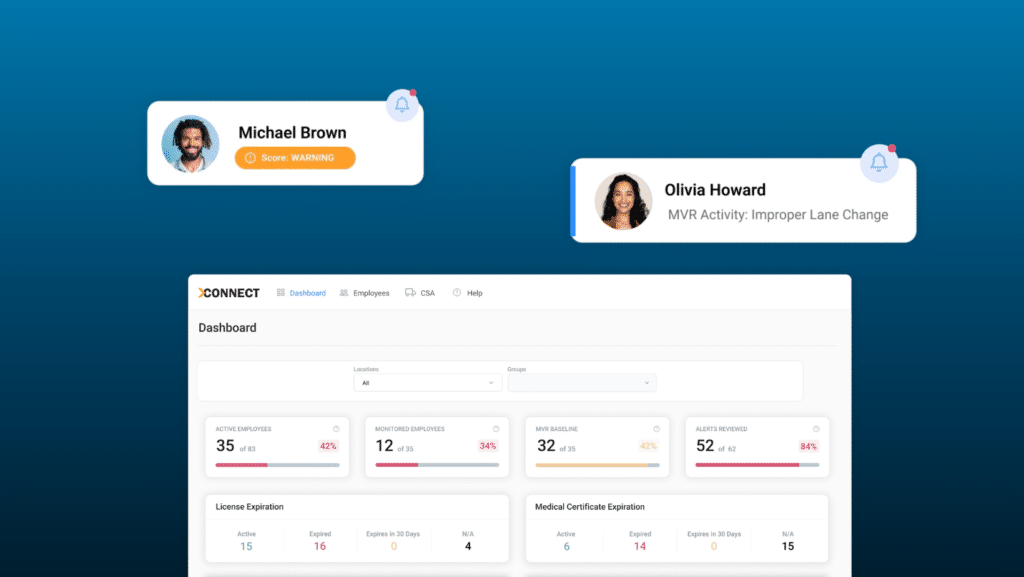
Ongoing MVR monitoring helps your team identify reported changes without waiting for someone to schedule and order the next report. Alerts about new violations, suspensions, and other license activity give your team an opportunity to review concerns sooner.
Monitoring also reduces the need to repeatedly check records that haven’t changed, helping your team focus its attention where action may be needed.
Use MVR Scoring to Standardize Reviews
MVR scoring can automatically evaluate driving records against your company’s risk criteria, reducing the need to interpret every report manually. By assigning scores based on violations and other record details, it helps your team identify concerns and prioritize drivers who need attention.
Pair those scores with clear guidelines for follow-up, including which results require immediate review, coaching, or training. This helps your team apply consistent standards across drivers, departments, and locations.
Create a Clear Follow-Up Process
Assign responsibility for reviewing changes, deciding on corrective action, and recording what happens next. Each concern should have a clear owner and a documented outcome, whether that involves verifying license status, assigning training, or reassessing driving eligibility.
Tracking those steps helps your team see what remains unresolved and whether the required action was completed. Over time, that documentation also supports a more consistent approach to managing driver risk.
Bring Driver Safety Information Together
Closing the gaps in manual MVR checks starts with making driver risk easier to see and act on. Embark Safety brings ongoing MVR monitoring, automated scoring, and driver safety information together, helping your team spend less time managing reports and more time addressing concerns.
Ready to strengthen your driver safety program? Schedule a demo to see how Embark Safety can help.